The question everyone asks. The honest answer comes in pieces: the caffeine sources are active, the botanicals have modest evidence, the finished product has no published trial and habits matter more than any bottle.
- Caffeine has a real short-term effect
- Botanicals: modest and mixed evidence
- No trial on the finished product
- Habits and the guarantee frame a fair test
Piece by piece
Does it work? Break the question into parts. Does caffeine increase alertness? Yes, and green tea leaf plus guarana are caffeine sources, although the amount is not published. Does chromium reduce weight? Trials mostly show little effect. Does African mango? Some small trials say a little; quality is low. Do green tea, maca and grape seed extract? Evidence for weight is limited.
Does the finished SodaBurn product produce weight loss? No one can say, because no published trial has tested it.
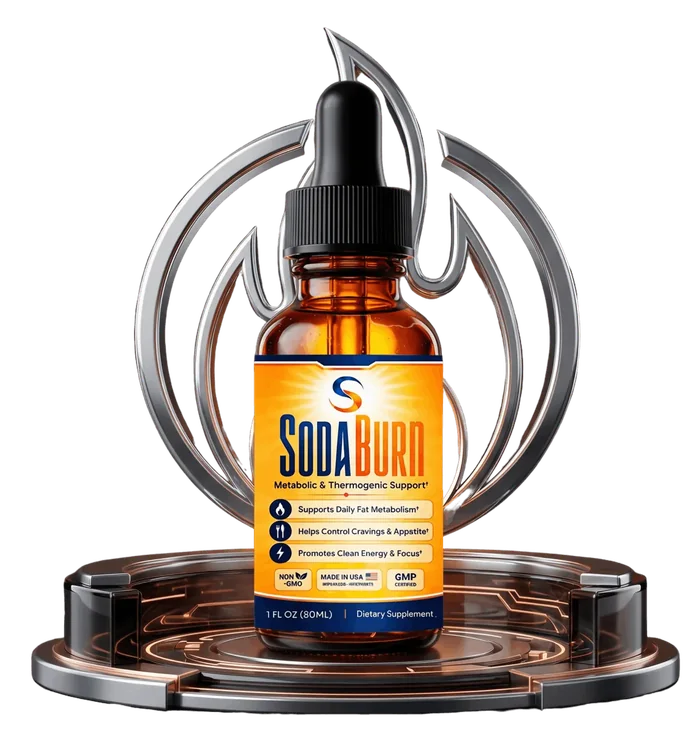
What works: caffeine
Caffeine is the best-evidenced active effect in this kind of formula: it raises alertness and slightly increases energy expenditure in the short term. Because SodaBurn gets its caffeine from plant extracts, the amount depends on how the extracts were standardized, and that is not stated on the site. (reference page, research search)
People who are pregnant or nursing, who have heart rhythm problems or high blood pressure, who are anxious, or who are sensitive to stimulants should speak to a clinician first.
| Ingredient | Traditionally used for | Caffeine source? | Evidence in people |
|---|---|---|---|
| Chromium | Insulin and carbohydrate handling | No | Little or no effect on weight in most trials |
| African Mango Seed | Appetite and weight | No | Small, short trials; low certainty |
| Green Tea Leaf | Antioxidants and metabolism | Yes (natural) | Modest and mixed; rare liver reports with concentrated extracts |
| Guarana Seed | Energy and alertness | Yes (natural, concentrated) | Caffeine effect is real; weight evidence is limited |
| Maca Root | Vitality and stamina | No | Small studies on mood and libido; none for weight |
| Grape Seed Extract | Antioxidant polyphenols | No | Small studies, mostly on blood pressure |
The website does not publish per-ingredient amounts. The evidence column is a plain summary of research on each ingredient, not a claim about the finished product.
What is modest: African mango
African Mango is the ingredient SodaBurn ties most closely to appetite and metabolism. The research behind that is limited: a handful of small trials, several from one group, with short durations and modest reported effects. Independent replication is thin. (trial literature · reference page)
As with everything else on the label, the amount in a dose is not published, so it is not possible to compare SodaBurn with the amounts used in those studies.
→ Full page: African Mango Seed in SodaBurn
What is modest: chromium
Chromium is the mineral on SodaBurn's list, and the label-style claim around it is support for healthy metabolism and insulin function. The honest research summary is that chromium is clearly needed in tiny amounts, but extra chromium has not been shown to reliably produce weight loss in people who are not deficient. See the NIH consumer fact sheet and the published trials.
Because the dose is not published, it is also impossible to tell whether the amount is closer to a nutritional level or a higher supplemental one.
→ Full page: Chromium in SodaBurn
What is thin: maca
Maca Root is a Peruvian root vegetable traditionally used for energy, stamina and vitality. In the SodaBurn formula it is the 'vitality' ingredient rather than a weight ingredient. Small studies have looked at maca for sexual desire and mood, and results are limited. PubMed search · Wikipedia
There is no strong evidence that maca affects body weight. It is generally well tolerated in food amounts, but people with a thyroid condition or a hormone-sensitive condition are often advised to ask a doctor before using concentrated extracts.
→ Full page: Maca Root in SodaBurn
What decides outcomes: habits
No ingredient on the SodaBurn list replaces a calorie balance. Caffeine and appetite-support botanicals may nudge energy or hunger slightly, but the bigger levers are steady meals with protein and fiber, regular activity and enough sleep. See the NIH overview on dietary supplements for weight loss.
That is not a reason to avoid the product; it is a reason to keep expectations realistic and to measure progress by habits and trends rather than by the bottle.
The fair test
The fair way to find out is to use it as directed, measure your own baseline and trend, and use the 60-day guarantee if it does not suit you, remembering that refunds open after 30 days of use. Related reading: how SodaBurn works, reviews and results and before and after.
What comes with larger packages
The 3- and 6-bottle packages include six free digital guides: Sleep: Live Better, Accelerated Metabolism, Facial Rejuvenation, Renova Flora Protocol, the 10-Day Metabolic Challenge and a Personalized Usage Guide. The 2-bottle package does not include them.
These are written guides, so they do not change what is in the bottle. They can help with habits like sleep and meal timing, which matter for weight management, but they are an extra rather than a reason to choose a package.
How it compares with other options
The easiest way to compare products is a short checklist. Is every ingredient named? Are amounts printed? How much caffeine is in a serving? Is the format (liquid, capsule, powder) one you will use daily? Is there a clear guarantee and an obvious way to reach support?
On those lines SodaBurn names all six ingredients and is open about caffeine and refunds, but the website does not publish per-ingredient amounts, which is the one line where a competitor with a full panel could be ahead. Run the same checklist on any alternative.
Related reading: SodaBurn Ingredients: A Complete Guide for Beginners; What Are the Main Ingredients in SodaBurn?; SodaBurn Ingredients and Benefits Explained; SodaBurn Supplement Guide: Ingredients, Benefits, and Usage.
Frequently asked questions
Does SodaBurn really work?
Parts of it plausibly do, like the alertness effect of caffeine. Weight-related results are modest, individual and not proven for the finished product.
Is there scientific proof?
There is research on individual ingredients, but not a published trial on SodaBurn itself.
What increases my chance of a good outcome?
Consistent use as directed, steady meals, sleep, movement and realistic goals.
Sources and further reading
General background from government and reference sources. They describe the ingredients and supplement safety in general, not SodaBurn itself, which has no published clinical trial.
- Chromium: NIH Office of Dietary Supplements
- Chromium consumer fact sheet: NIH ODS
- Chromium: Wikipedia
- Chromium and body weight: PubMed
- Irvingia gabonensis and body weight: PubMed
- Irvingia gabonensis: Wikipedia
- Maca research: PubMed
- Maca: Wikipedia
- How much caffeine is too much? FDA
- Caffeine: how much is too much? Mayo Clinic
- Caffeine: Wikipedia
- Caffeine and energy expenditure: PubMed